
Jiadu Art Center reimagines residences as a community art hub
Located within a residential development completed in 2021 in Yanjiao, Hebei Province, Jiadu Art Center by MINOR lab responds to broader shifts in China’s urban development, where emphasis is moving from expansion to the transformation of existing building stock. Within a context largely defined by housing, the intervention reconfigures three separate spaces, an ancillary structure, an adjacent commercial area, and a residential unit, into a connected system comprising a community art center, café, and artist studio. Together, these elements establish a network that supports exhibition, social interaction, and creative production, offering a model for small-scale activation within residential environments.
The art center is organized as a flexible interior that accommodates multiple uses through adaptable spatial systems. Working within the constraints of the existing structure and services, the intervention adopts a light-touch strategy, relying on reconfiguration rather than extensive reconstruction. A system of movable walls enables the space to shift between separated zones and a continuous open area. This allows the center to host exhibitions, workshops, lectures, screenings, and community activities.
Existing columns are integrated into the design through steel-framed enclosures clad in strawboard, forming hybrid elements that combine seating, display, and concealed storage. Modular furniture further supports flexibility, allowing configurations to be adjusted or cleared as needed. These systems establish a spatial framework that can be continuously redefined through use.
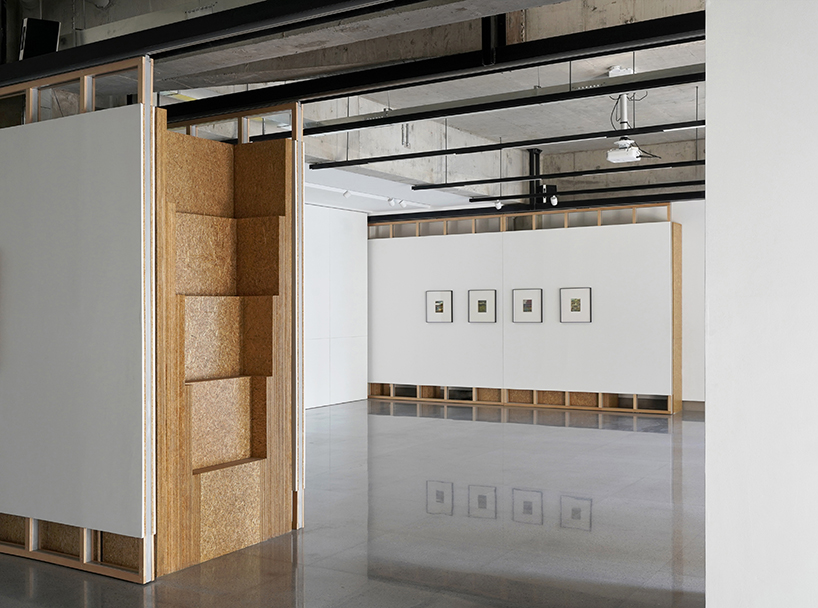
Jiadu Art Center :exhibition space
MINOR lab extends material continuity through flexible layouts
For the café, MINOR lab’s design team extends the spatial and material strategies of the art center, organizing the interior through a sequence of defined zones. The entrance is structured to guide movement inward, using contrasts in material and form. The existing glass facade is retained and paired with a continuous low table, creating a visual and spatial connection to the exterior. A suspended timber ceiling introduces curvature to the space while concealing services and defining the primary seating area. Sculptural volumes formed from stacked strawboard function as display elements, reinforcing the spatial organization. Service functions are consolidated into a single volume clad in hot-rolled steel, establishing a clear core within the plan. Variations in material and layout create differentiated areas that support both collective use and more private occupation.
The artist studio adapts two adjacent residential units into a flexible workspace and living environment. The removal of non-load-bearing walls establishes a continuous visual axis across the plan, while the original floor height allows for the insertion of a partial mezzanine. A movable wall system divides and connects working and living areas as required, also functioning as storage and display for artworks. Light conditions are managed through adjustable blinds and sliding frames, supporting ventilation, privacy, and daylight control. Custom furniture elements, including a multi-purpose table, accommodate different modes of use within the limited footprint. The studio is conceived as an adaptable framework that supports evolving creative practices.
A consistent material palette links the three spaces. Terrazzo flooring provides a continuous surface, while hot-rolled steel introduces an industrial character through its finish and detailing. Strawboard is used to create volumetric elements with both functional and spatial roles, adding texture and warmth. The combination of these materials establishes continuity across the project while allowing each space to maintain distinct spatial qualities.
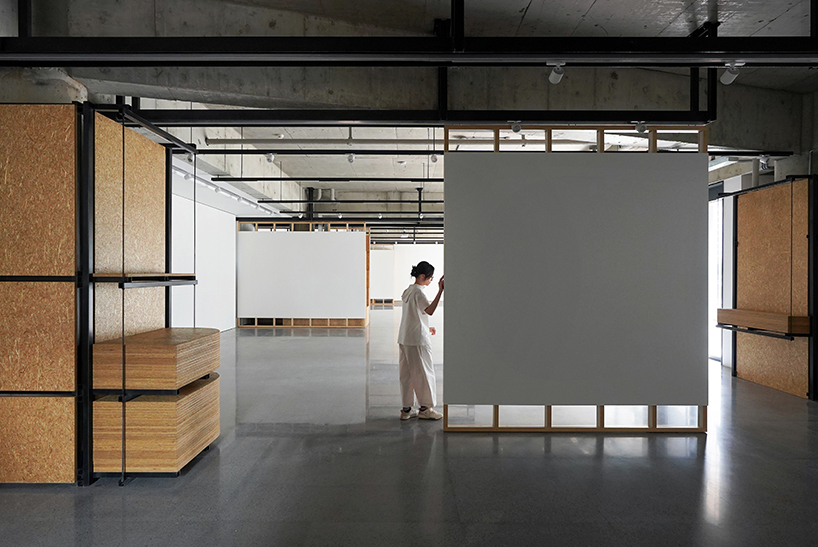
Jiadu Art Center : movable wall in use
By reconfiguring existing residential and commercial spaces, Jiadu Art Center, developed by MINOR lab, establishes a distributed network that supports cultural activity within a housing-dominated context. The intervention demonstrates how limited, targeted modifications can generate new forms of public use. As the project develops, additional creative spaces have emerged within the surrounding area, extending its impact. Through incremental transformation and adaptable spatial strategies, the design supports the gradual formation of a community-based art ecosystem.
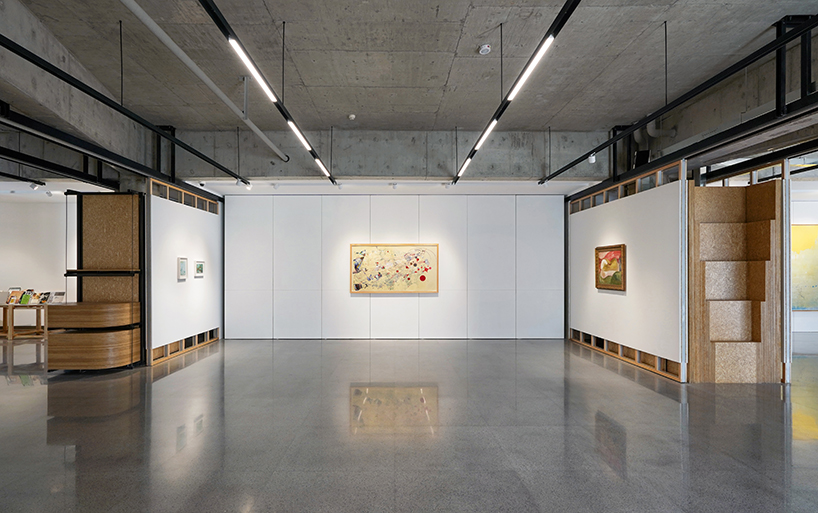
Jiadu Art Center : exhibition in progress
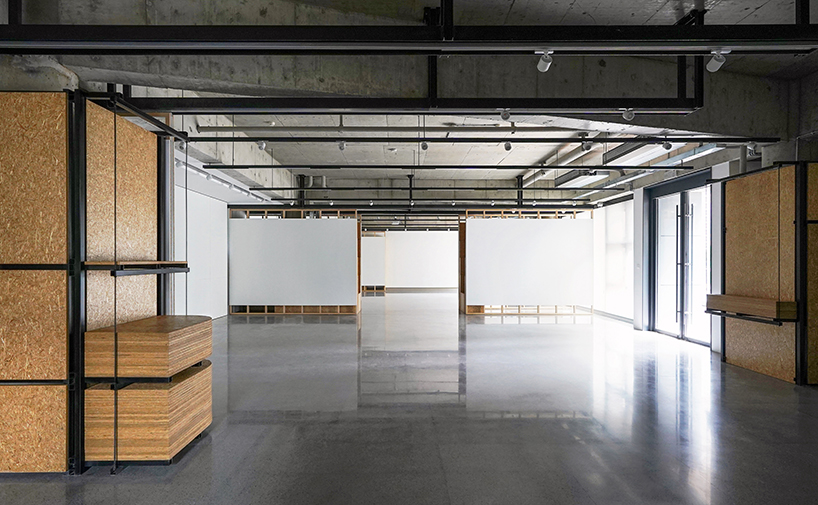
Jiadu Art Center: exhibition space
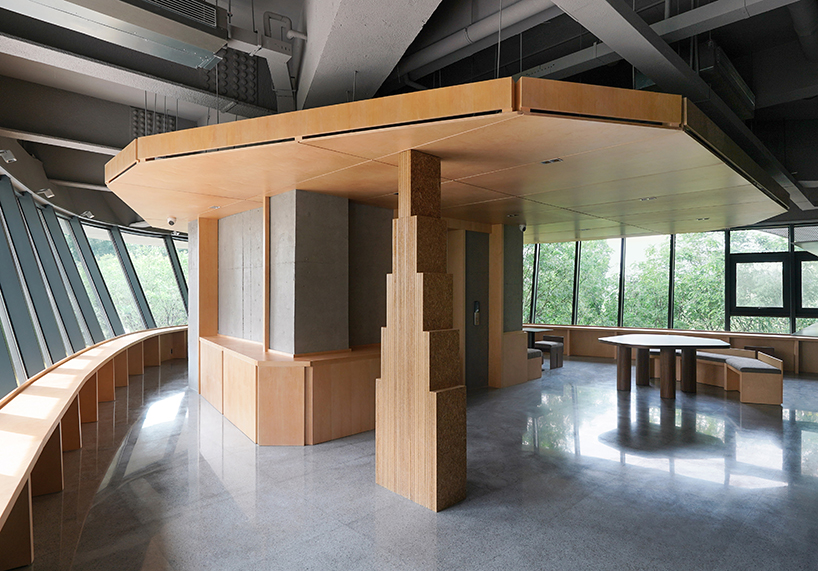
Community Café: communal seating area and the display volume
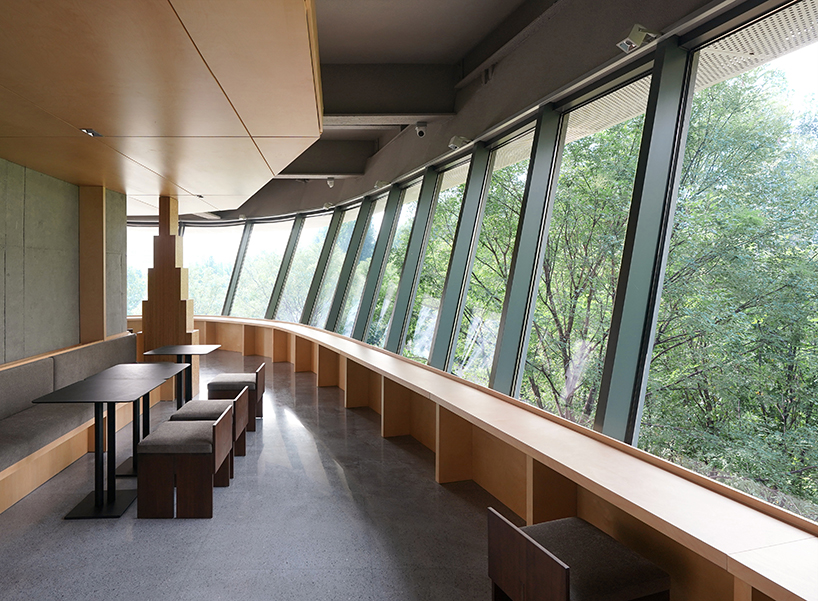
Community Café: low bar table along the glass facade
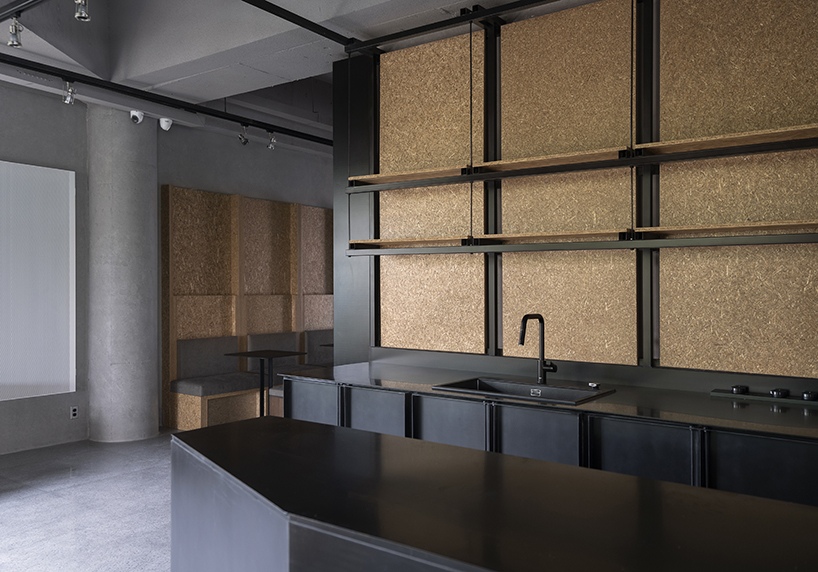
Community Café: service counter
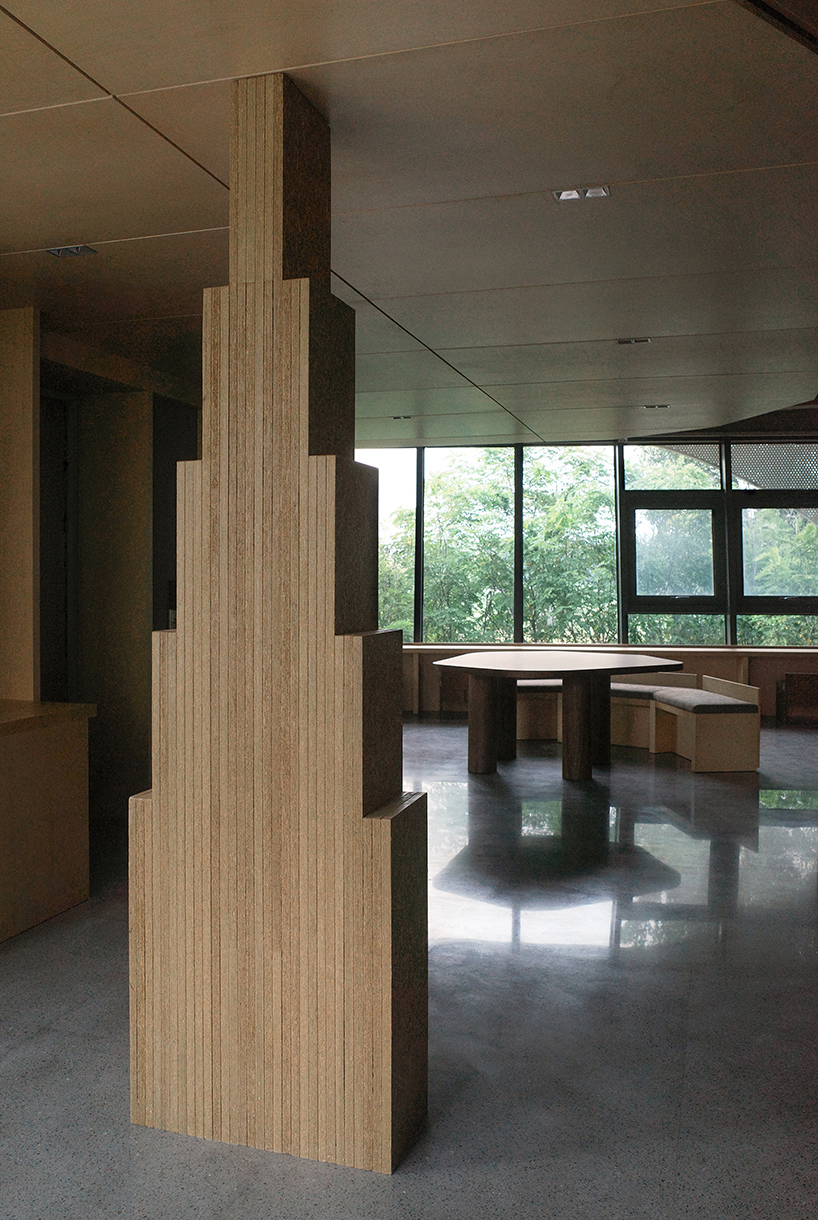
Community Café: strawboard stacked to form sculptural display volumes
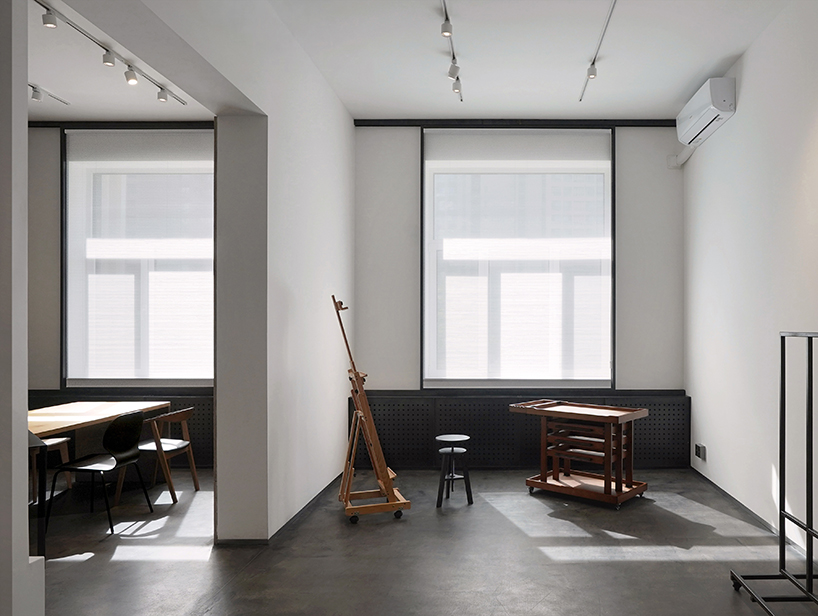
Artist studio: view from entrance toward window
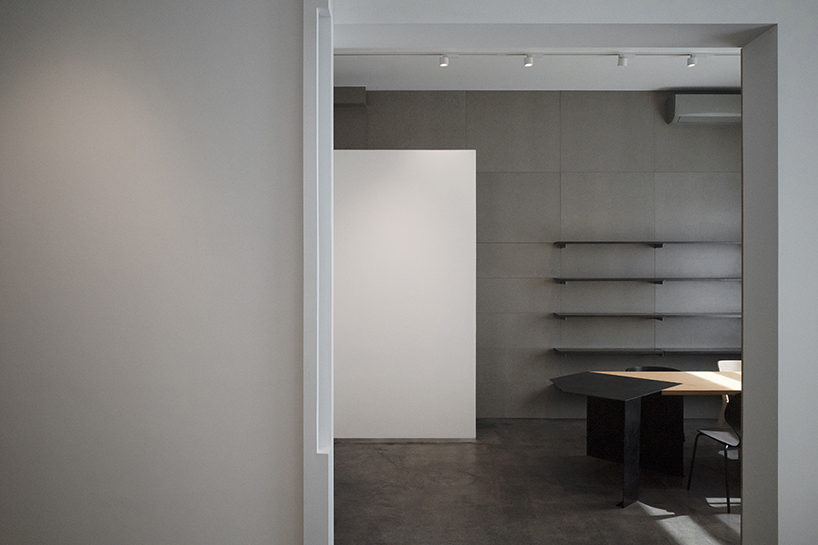
Artist studio: view from the working area toward the living area
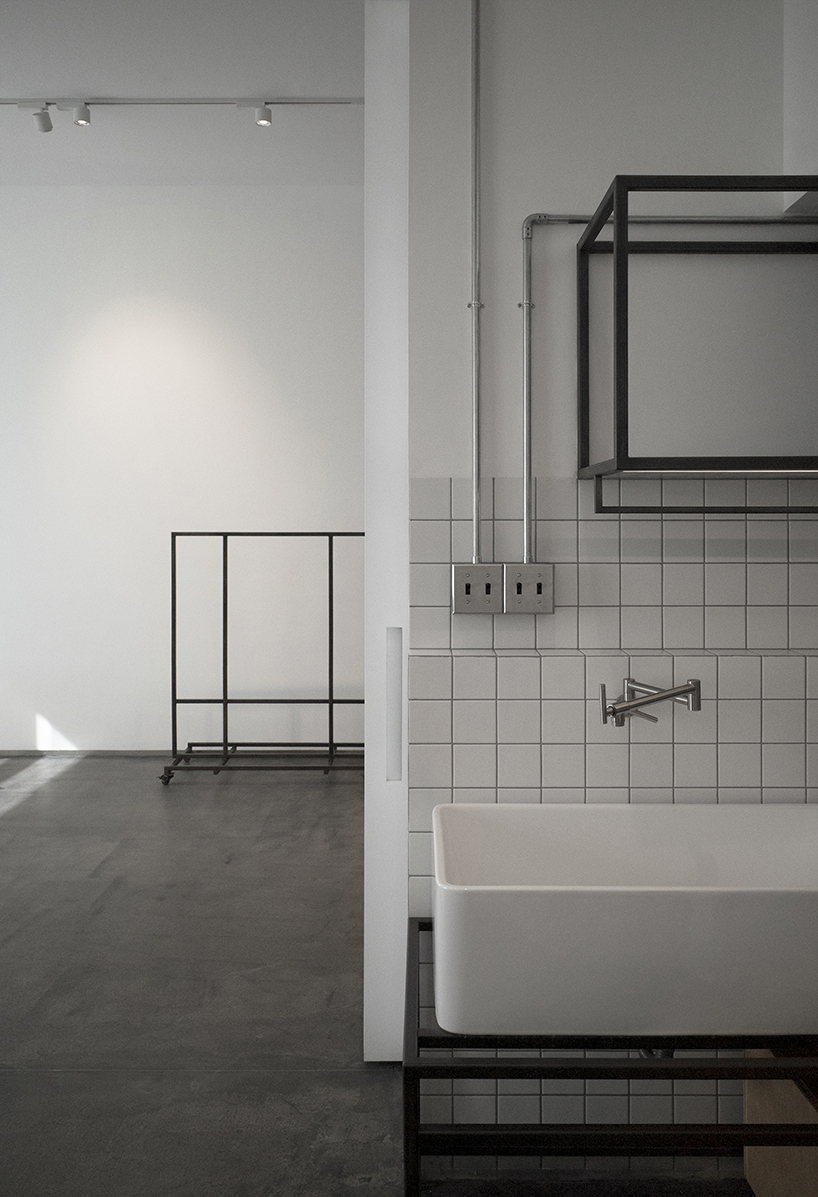
Artist studio: view from kitchen toward the working area
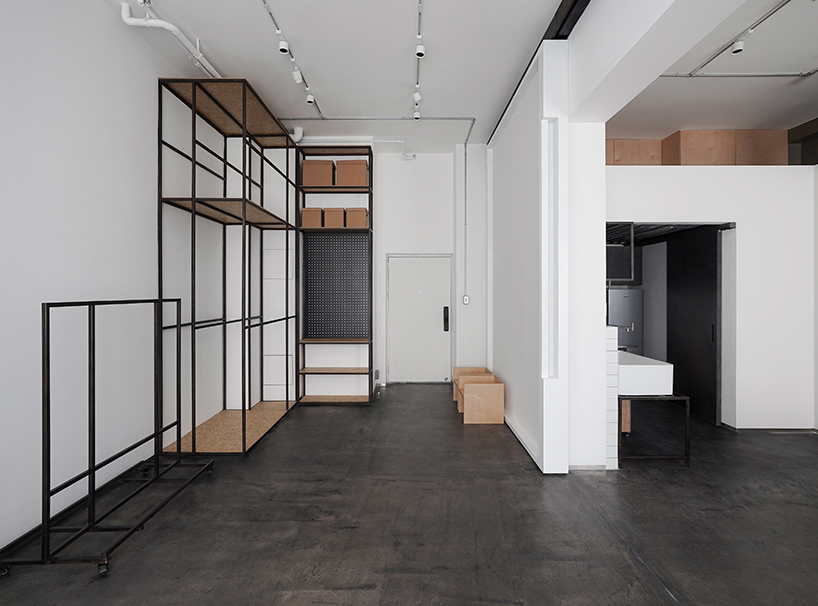
Artist studio: view toward entrance and storage area
project info:
name: Jiadu Art Center, Community Café and Artist Studio
architect: MINOR lab
area: 533 sqm
location: Yanjiao, Hebei Province, China
client: Jiadu
principal architect: LIU Chen
project manager: ZHAO Dan
construction supervisor: JIN Weixi
designboom has received this project from our DIY submissions feature, where we welcome our readers to submit their own work for publication. see more project submissions from our readers here.
edited by: christina vergopoulou | designboom
The post existing residential spaces reconfigure as a flexible community art network in china appeared first on designboom | architecture & design magazine.